· Alp Burak Çatakoğlu · 8 min read
What Is TAVI and Who Is It For?
TAVI (Transcatheter Aortic Valve Implantation) is the treatment of new valve placement by closed method in advanced aortic valve stenosis. To whom it is applied, how it is done, its risks and recovery process are in this guide.
Physician Approval: Prof. Dr. Alp Burak Çatakoğlu Last Update: 2026-02-05
What is TAVI?
TAVI is a method of replacing the aortic valve inside the heart with a new biological aortic valve, in a closed method, in case of severe narrowing.
Short Answer: TAVI places a new biological valve in severe aortic valve stenosis without opening the sternum, usually through the femoral artery in the groin. Recovery is rapid in suitable patients, and most can be discharged within 1–2 days.
“TAVI” or “Transcatheter Aortic Valve Implantation” is a medical procedure used in cases such as narrowing of the aortic valve (aortic stenosis). A new biological aortic valve is placed in place of the narrowed aortic valve. This procedure is a closed method with a less invasive approach than traditional surgical methods, usually using the artery in the groin, and is generally preferred in patients who are at high risk and are not suitable for surgery. Recent studies emphasize that it can also be performed as an alternative to surgery in low-risk patients.
TAVI is the process of replacing a severely narrowed aortic valve with a new biological valve that is advanced with the help of a catheter, without opening the chest cage and stopping the heart as in the past.
This procedure, which has been performed for more than 10 years, has improved technologically over time and many patients can now be treated even without anesthesia. Discharge is now possible even 1-2 days after procedures performed with new technologies.
This process is known by two different names:
TAVI: Transcatheter aortic valve implantation TAVR: Transcatheter aortic valve replacement Actually, both of them describe the same process.
Video 1. Prof Dr Alp Burak Çatakoğlu explains the TAVI procedure
Is the TAVI valve biological or mechanical?
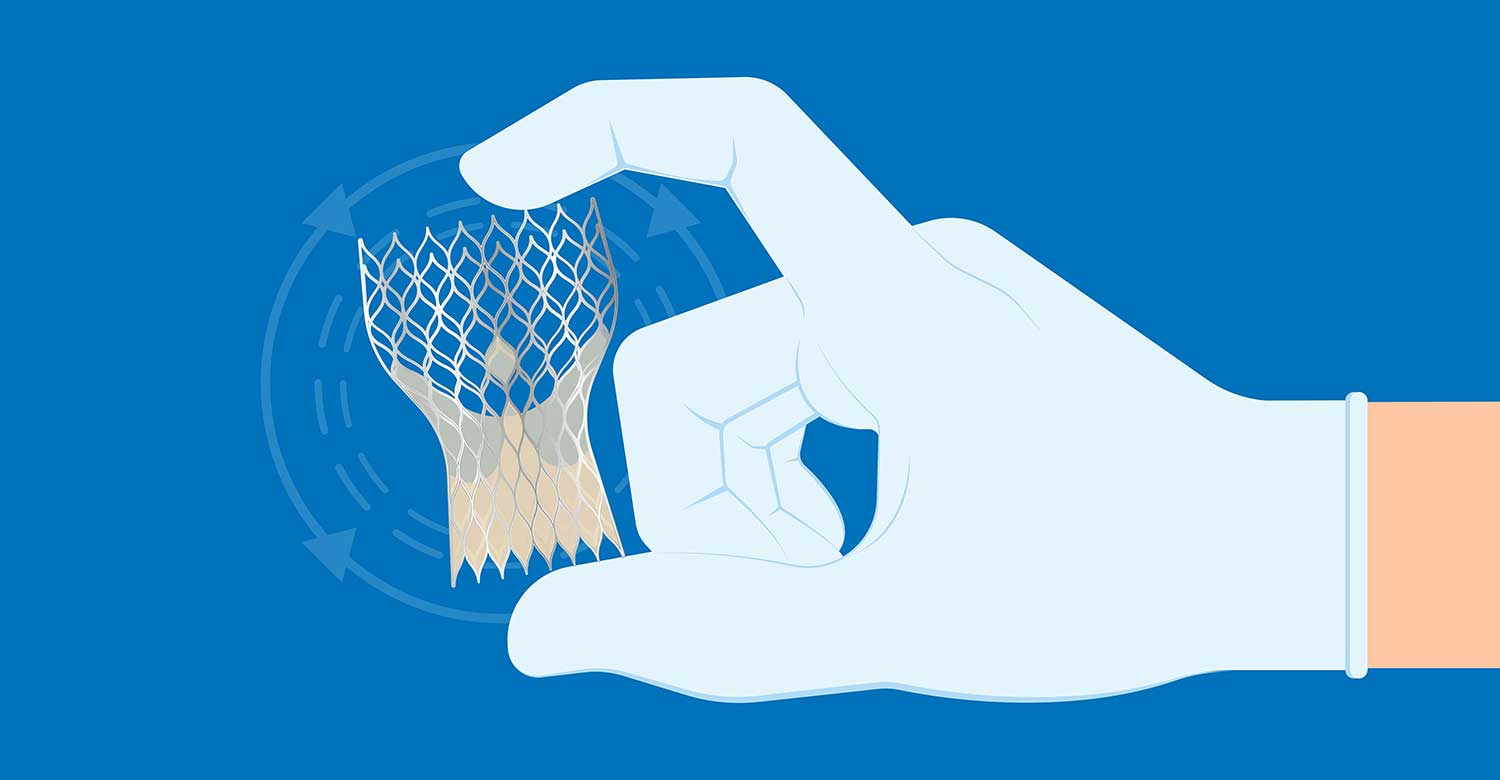
Aortic valves placed with the TAVI method are biological valves, generally made from bovine or porcine pericardial tissue and treated to improve durability. Mounted on a metal frame, they are positioned inside the diseased, narrowed aortic valve using either a balloon-expandable or self-expanding system.
How is TAVI done?
TAVI is a procedure similar to placing a stent in a vein. By means of a catheter, a fully foldable valve is placed on the diseased valve by inflating a balloon or by self-expanding, and thus the diseased valve is replaced by a healthy functioning valve. When the new valve is expanded, it pushes the old, diseased valve towards the environment and allows healthy and normal blood flow once it starts working.
Video 2. TAVI valve placement (Animation)
Is TAVI or aortic valve surgery better?
This procedure is a treatment method approved by the FDA (American Ministry of Food and Drug Administration) and can be performed as an alternative to surgery in patients with aortic valve stenosis, even if the patient has a low or medium risk of surgery. New research shows that the success of surgery and TAVI is similar. There are significant differences between standard aortic valve surgery and TAVI.
Generally, standard valve surgery is performed by opening the rib cage. TAVI can usually be performed through a catheter, mostly from the groin. Since the chest bones are not touched, patients recover in a very short time.
Nowadays, many patients can be treated only with sedative drugs, which we call sedation, without being put to sleep.

Figure 1. Degrees of aortic stenosis
To whom can TAVI be performed?
Patients who undergo TAVI are generally in their 70s and 80s. Therefore, they have other accompanying medical problems and would benefit more from such a minimally invasive method with a rapid recovery expected.
Significantly improves the quality of life in patients with aortic valve stenosis or those with limited other treatment alternatives. It prevents further damage to the heart, which cannot be achieved with drug treatment, and increases the quality of life and longevity.
To whom TAVI cannot be performed?
TAVI cannot be performed on patients whose aorta is anatomically unsuitable. For this reason, before deciding on the TAVI procedure, the patients’ aortas and leg veins are examined with CT (computed tomography).
TAVI cannot be performed using classical methods in patients with occluded leg or arm veins. TAVI can be performed using different access routes.
How long does the TAVI procedure take?
TAVI procedure usually takes 1 hour. If it is performed with general anesthesia, this period may be longer, but today TAVI procedures are mostly performed with sedation and light sleep.
What are the risks of the TAVI procedure?
Complications that may occur during or after the TAVI procedure:
- Permanent pacemaker implantation
- Paravalvular leak
- Stroke
- Occlusion of coronary artery
- Bleeding at the groin entrance site
Because modern TAVI valves and delivery systems are highly advanced, these complications are less common than with earlier generations. Leakage around newer valves is uncommon. Improved positioning techniques also help reduce the likelihood of needing a permanent pacemaker.
What examinations are performed before TAVI?
Before the TAVI procedure, blood tests, ECG, echocardiography (ECHO) and CT (computed tomography) must be performed. Based on the results of this examination, it will be determined whether you are suitable for TAVI and the most correct valve size will be selected.
The day of the TAVI procedure, step by step
After you are admitted to the TAVI procedure on the same day, nurses will prepare you and take you to the angiography room. Here, the anesthesia team will put you to sleep using sedation. Very rarely, general anesthesia may be required. Then, the cardiologist who will perform the intervention will enter from the groin area and your coronary vessels will be examined with angiography in the same session. If your coronary arteries are normal, the TAVI procedure will continue.
Using the artery in the right or left groin, the TAVI valve is positioned over the narrow aortic valve and left after control images are taken. Some TAVI valves expand on their own and begin to function immediately (self-expandable), while some valves are placed by inflating a balloon (balloon expandable). Both methods are equally successful.
For precise positioning during the procedure, a temporary pacemaker lead is placed so the operator can briefly increase the heart rate when needed. It is removed after the procedure.
At the end of the procedure, the entrance points in the groin area are closed with stitches using a special technique. The patient is then woken up in the procedure room.
After being monitored in intensive care for a few hours, he is transferred to the room. If the blood tests, ECG and echocardiography are normal the next day or the next day, the patient is discharged home.
What should be taken into consideration at home after TAVI?
You should not carry heavy items for the first few days after TAVI. You can take a bath while protecting the groin area with a waterproof adhesive. It is very important that you take your blood thinning medications completely and on time. It is usually a good idea to schedule a follow-up appointment after 1 week to have both the groin area and your ECG checked. Your doctor will tell you about your next check-ups.
Which TAVI valve is best?
Many TAVI valves used in Türkiye are also used in Europe. There is no single answer because valve selection depends on the patient’s anatomy and clinical needs. The selected valve should have FDA and/or CE approval. Whether it uses porcine or bovine tissue, or a balloon-expandable or self-expanding design, does not alone determine success.
How long does an implanted TAVI valve last?
The valves placed in TAVI are biological valves and are durable because they are subjected to a special process. It has been reported in many series that these valves function normally for approximately 10 years. If the TAVI valve degenerates over time and loses its function, a new TAVI valve can be placed inside.
Can TAVI be performed in aortic insufficiency?
TAVI procedures performed today are applied to calcified narrowed aortic valves. Studies on aortic insufficiency continue. TAVI is not yet recommended for aortic insufficiency.
How does the TAVI price change?
TAVI price; It varies depending on the anatomical structure of the patient, the type of valve to be used, the need for additional intervention, hospital infrastructure and hospitalization plan. The best approach is to clarify the results with a personalized treatment plan after the examinations.
How should the doctor and center be selected for TAVI?
Instead of focusing on just one topic when choosing a doctor and center; The team’s TAVI experience, heart team approach, intensive care and emergency response infrastructure, complication management and post-procedure follow-up plan should be evaluated together.
Frequently Asked Questions
What is TAVI? TAVI is a closed method biological valve placement procedure in aortic valve stenosis.
Who can undergo TAVI? It is generally preferred in patients with high surgical risk or who are not suitable for open surgery.
How long does the TAVI procedure take? In most cases it takes about 1 hour; It may vary depending on the type of anesthesia.
What is the length of hospital stay after TAVI? Discharge is possible within 1–2 days in most patients.
What are the risks of the TAVI procedure? Risks may include the need for a permanent pacemaker, paravalvular leak, stroke and bleeding at the puncture site.
How long do TAVI valves last? Valve durability varies from person to person; the physician determines the follow-up plan.
How does TAVI price vary? TAVI price; It varies depending on valve type, scope of the procedure, need for additional intervention and hospital conditions.
What should I pay attention to when choosing a doctor and center for TAVI? The experience of the team, center infrastructure, complication management and regular follow-up plan should be evaluated together.