· Alp Burak Çatakoğlu · 4 min read
What Is Left Atrial Appendage Closure?
LAA closure is the procedure of closing the left atrial appendage with a catheter to reduce the risk of clots in atrial fibrillation. Who it is suitable for, how it is done, its risks and follow-up process are in this guide.
Physician Approval: Prof. Dr. Alp Burak Çatakoğlu Last Update: 2026-02-05
What is the left atrial appendage closure procedure?
Short Answer: LAA closure is the catheter closure of the left atrial appendage, where clot formation is common in atrial fibrillation. It helps reduce the risk of stroke in suitable patients.
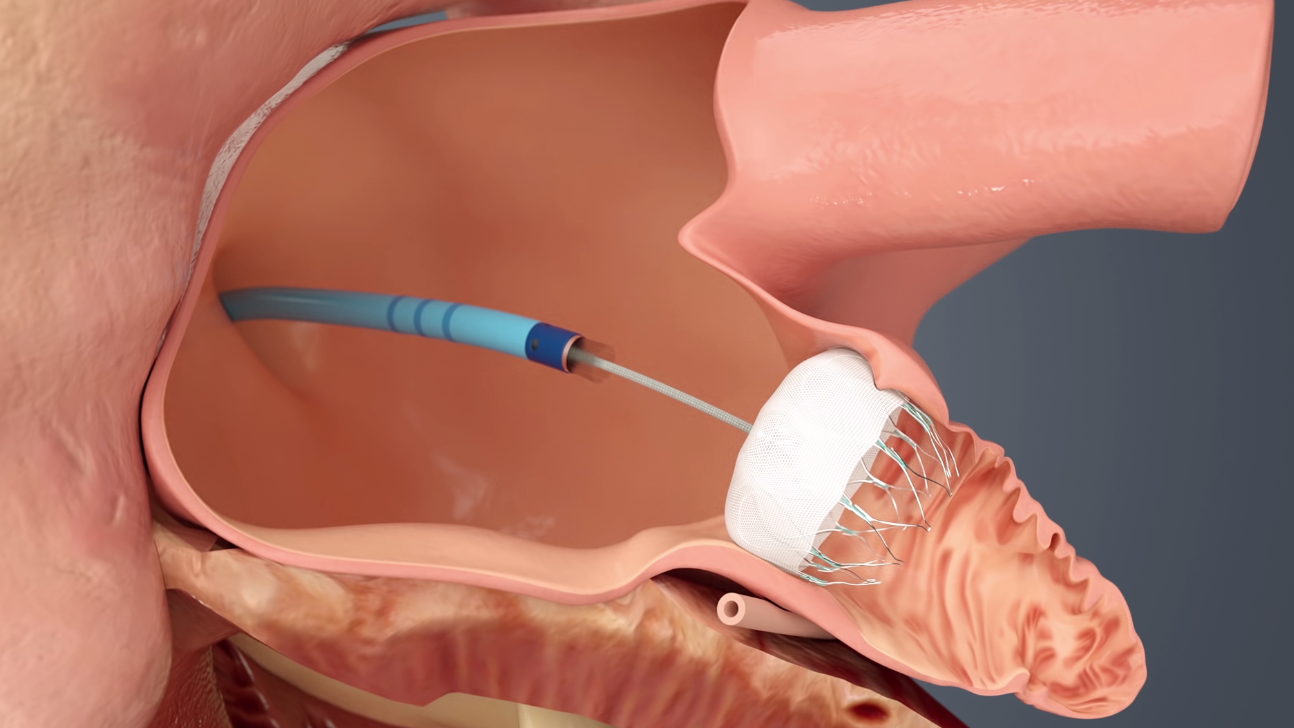
Left atrial appendage closure (LAA closure) is a medical procedure that aims to close the left atrial appendage (LAA), a small sac located in the heart. This procedure is usually performed to reduce the risk of heart rhythm disturbances and clots.
Video 1. LAA closure process
What is the left atrial appendage?
The left atrial appendage is a usually very small sac located in the left atrium of the heart. The risk of clot formation in this area is high, especially in patients with rhythm disorders such as atrial fibrillation (AF). Clots can pass into the bloodstream, increasing the risk of stroke.

What tests are performed before the procedure?
Before LAA closure, the heart cavities are examined with TEE (transesophageal echocardiography). It is also checked at this stage whether there is a clot in the LAA. The presence of a clot requires postponing the procedure.
With cardiac CT (computed tomography), the anatomy of the heart is examined in detail. Using the measurements to be made in this CT, the correct size device is selected and the procedure is planned.
Your blood count and kidney functions are examined with blood tests.
How to process?
Left atrial appendage closure is usually performed by cardiac catheterization. The process includes these steps:
Preparation: The patient’s general health condition is evaluated and preparations are made before the procedure. The patient is relieved by applying anesthesia.
Catheterization: The procedure is performed through a catheter inserted through a vein, usually in the groin area. The catheter is guided into the heart and targets the left atrial appendage.
Placement of the closure device: A special device (closure device) is placed to close the LAA in the heart. This device prevents clot formation by sealing the inside of the appendix.
Control and monitoring: After the device is placed, some tests are performed to check the procedure area and the general condition of the patient.
Who is it suitable for?
Left atrial appendage closure is generally recommended for patients experiencing atrial fibrillation and those at high risk of clots. However, it may not be suitable for every patient and a detailed evaluation should be made before the procedure.
Risks and side effects
As with any medical procedure, LAA closure may have some risks and side effects. These may include infection, bleeding, or complications at the procedure site. Your doctor will inform you about these risks and recommend the most appropriate treatment option for you.
Result and follow-up
After the procedure, patients usually go through a short recovery period and must follow their doctor’s recommendations. Regular check-ups and follow-ups ensure that the healing process progresses healthily.
How does the LAA closing price vary?
LAA closing price; It varies depending on the anatomy of the left atrial appendage, the type of device to be used, anesthesia and hospitalization plan, and the center infrastructure. Detailed preliminary evaluation is required for personalized planning.
How should the doctor and center be selected for LAA closure?
Electrophysiology and structural heart intervention experience, TEE/CT planning quality, team coordination and post-procedure anticoagulant follow-up strategy should be evaluated together in the selection.
Frequently Asked Questions
What is LAA closure? LAA is the procedure of closing the left atrial appendage.
To whom does it apply? It can be evaluated in suitable patients due to the risk of arrhythmia and bleeding.
How to process? A closure device is placed through the groin vein through a catheter to the heart.
How long is the processing time? Usually lasts a short time; It may vary depending on the patient’s anatomy.
What is the length of hospital stay? Short-term hospitalization is sufficient for most patients.
Is follow-up required after the procedure? Yes, the follow-up plan determined by the physician is applied.
How does the LAA closing price vary? LAA closing price; It varies depending on anatomy, device selection, procedure plan and hospital conditions.
What should I pay attention to when choosing a doctor and center for LAA closure? Team experience, imaging planning, complication management and regular follow-up protocol should be evaluated together.