· Alp Burak Çatakoğlu · 5 min read
What Is ASD Closure and Who Is It For?
ASD closure is the process of closing the atrial septal defect in the heart with a catheter through the inguinal vein. To whom it is applied, how it is done, its risks and post-procedure follow-up are in this guide.
Physician Approval: Prof. Dr. Alp Burak Çatakoğlu Last Update: 2026-02-05
What is ASD shutdown?
Short Answer: ASD closure is the closure of the hole between the two atriums of the heart with a special device by entering it through the inguinal vein with a catheter. Effective treatment can be provided in suitable patients without the need for open surgery.
Atrial septal defect (ASD) closure refers to the process of closing an opening in the atrial septum (the wall separating the right and left atria) in the heart. This opening is a congenital heart defect and can cause blood to flow from the left atrium to the right atrium. ASD closure closes this opening, allowing the heart to function normally and reducing the risk of complications. It can be closed with a closed procedure, usually by entering from the groin, with devices made of smart materials.
What is ASD?
ASD is a congenital opening of the wall (septum) located between the atria in the heart. This opening usually does not close after birth and can cause abnormal blood flow between the right and left atria of the heart. This condition can make it difficult for the heart to pump blood efficiently and can lead to problems such as heart failure in the long run.
Preparation and processing
Before the procedure, transesophageal echocardiography (TEE) is usually performed. In this way, it helps determine the size and location of the ASD. During the procedure, the device is placed through the catheter and the opening of the ASD is closed.
How to close ASD?
The
ASD shutdown process typically includes these steps:
Preparation: The patient’s general health condition is evaluated before the procedure. The patient is relieved by applying anesthesia. Necessary tests, such as echocardiography, are performed before the procedure.
Catheterization: The procedure is usually performed through a vein in the groin area and is performed through a catheter. The catheter is guided to the heart and the ASD area is reached.
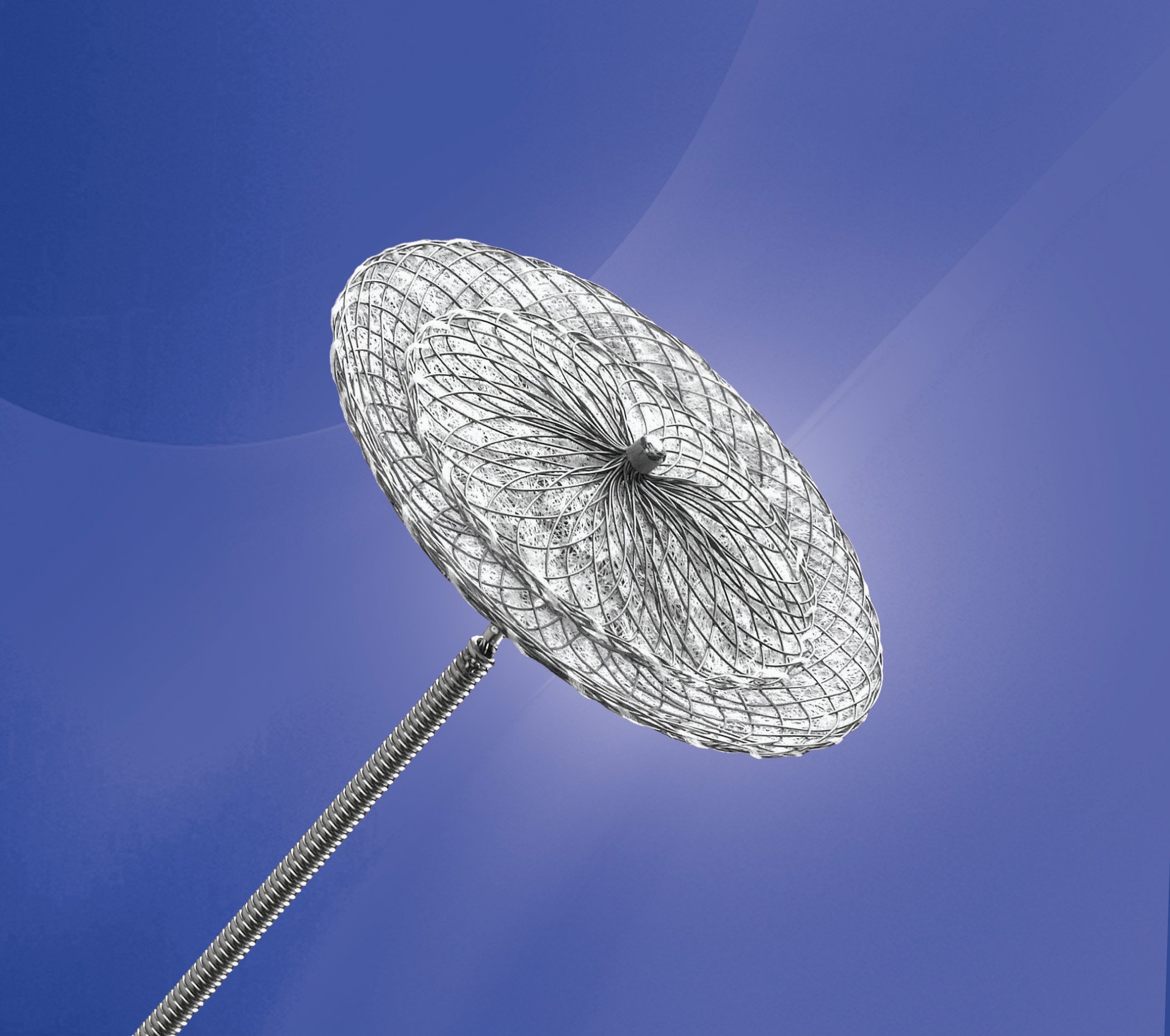
Placement of closure device: A special device resembling an umbrella is placed to close the ASD. This device closes the opening, returning blood flow to normal. The device is usually made of a memory metal called nitinol and prevents blood flow by closing both sides of the hole.
Control and monitoring: After the device is placed, some blood tests and echocardiography are performed to check the procedure area and the patient’s condition. After the procedure, the patient’s recovery process is carefully monitored.
Who is it suitable for?
ASD closure is recommended for patients who have this congenital heart problem and whose heart functions are thought to be negatively affected. Small holes that do not affect the pressure inside the heart or their size do not need to be closed. Suitability for each patient is determined by a detailed evaluation.
Risks and side effects
ASD closure may have some risks and side effects. These may include infection, bleeding, problems with device placement, or other complications in the heart. The risks are generally low, but your doctor will inform you about the possible risks of the procedure.
Post processing
After the procedure, patients usually stay in the hospital overnight. Regular checks and follow-ups are carried out in the normal room in the ward. It is important to follow lifestyle regulations and doctor’s recommendations after the procedure. If the evaluation in the morning is normal, the patient can be discharged home and return to normal life.
ASD shutdown devices
There are various devices used for ASD closure:
- Amplatzer™ Septal Occluder: The most commonly used device to close ASD.
- CardioSEAL™: Another ASD closure device.
- GORE® Septal Occluder: This device is also used for ASD closure.
- LifeTech CeraFlex
- Occlutech ASD Occluder
How long does the ASD shutdown process take?
ASD closure process takes approximately 1 hour.
Is catheter method or surgery better to close ASD?
ASD can be closed with an umbrella-like device by entering a catheter from the groin, or it can be closed with an open or minimally invasive surgery by placing a patch or stitches. Nowadays, ASD closure using the catheter method is preferred. The day after the procedure, patients return to their normal routine, work life and travel. The hole can also be closed with surgery, but the healing process is a little longer. Patients who are deemed anatomically suitable upon examination by echocardiography can be successfully treated with the closed catheter method.
How does the ASD closing price vary?
ASD closing price; It varies depending on the size and anatomy of the defect, the closure device to be used, the need for additional examination and hospital conditions. Clear planning is done after pre-transaction evaluation.
How should the doctor and center be chosen for ASD closure?
In the evaluation, the structural heart intervention experience of the team, advanced imaging facilities, emergency intervention infrastructure and post-procedure follow-up should be taken into consideration together.
Frequently Asked Questions
What is ASD closure? ASD is the process of closing the hole in the wall separating the two chambers of the heart.
To whom does it apply? It is applied to patients with significant ASD and deemed appropriate by the physician.
How to process? An umbrella-like device is placed through the groin vein through a catheter to the heart.
How long is the processing time? Usually lasts a short time; It may vary depending on the patient’s anatomy.
What is the length of hospital stay? Short-term hospitalization is sufficient for most patients.
What should be taken into consideration after the procedure? Medications and follow-up appointments are planned according to the doctor’s recommendation.
How does the ASD closing price vary? ASD closing price; It varies depending on the anatomy of the defect, device selection, additional examinations and hospital conditions.
What should I pay attention to when choosing a doctor and center for ASD closure? Structural heart intervention experience, imaging infrastructure, complication management and regular follow-up plan should be evaluated together.