· Alp Burak Çatakoğlu · 7 min read
What Is PFO Closure and Who Is It For?
PFO closure is the process of closing the foramen ovale, which remains open in the heart from birth, with a catheter. To whom it is applied, how it is done, its risks and follow-up plan are in this guide.
Physician Approval: Prof. Dr. Alp Burak Çatakoğlu Last Update: 2026-02-05
What is PFO closure?
Short Answer: PFO closure is the closure of the foramen ovale, which remains open in the heart from birth, with a device advanced through the inguinal vein via a catheter. It is evaluated in appropriate patients, especially to reduce the risk of recurrent stroke.
PFO (patent foramen ovale) closure is a procedure that aims to close the opening between the two upper chambers of your heart. This procedure is performed by placing a device on your heart. This device is inserted using a catheter (a long, thin, flexible, hollow tube) that reaches the heart, usually through a large vein.
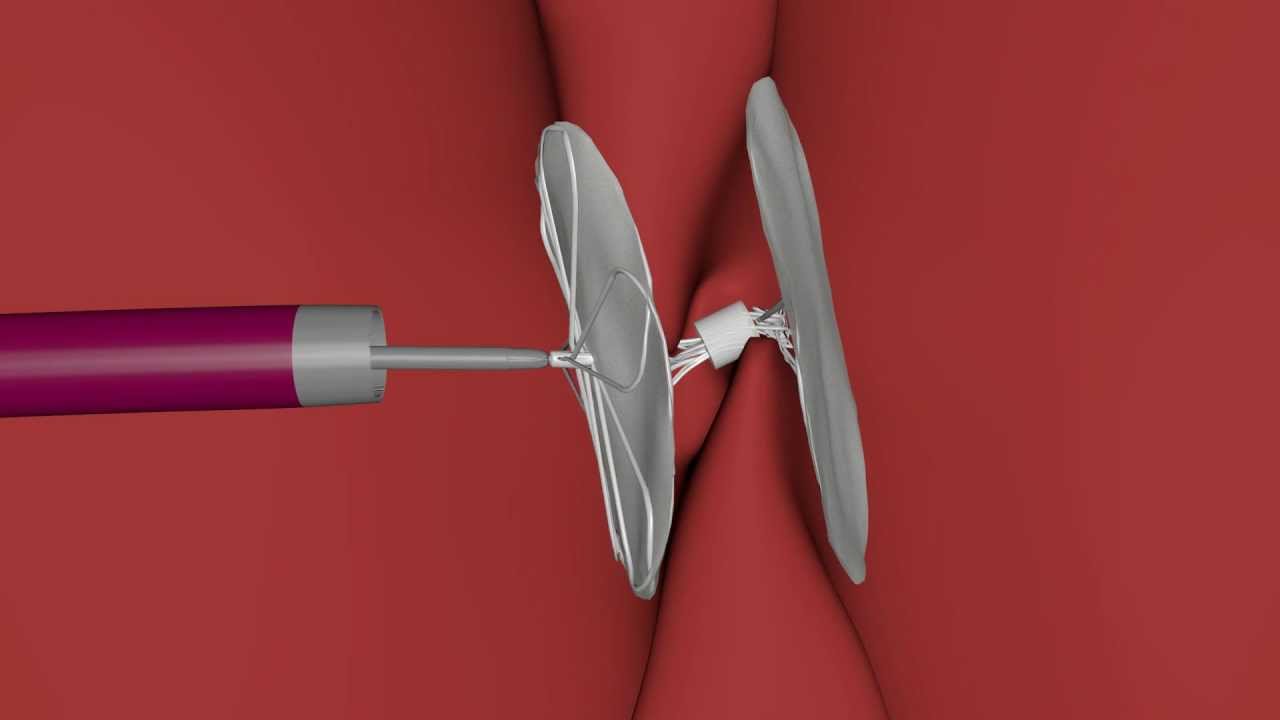
The closure device is designed to block the opening. These devices have a wire frame made of nickel-titanium alloy with synthetic material around it. It is shaped like a yoyo, consisting of two round discs and a thin piece in the middle. These discs cover both sides of the hole in your heart.
A few days after the PFO closure device is placed, your body’s own tissue will begin to cover the device. After three to six months, heart tissue will completely cover the device and the device will become part of your heart wall.
If your PFO is larger than 25 millimeters, surgical PFO closure is usually performed instead of the catheter method. This condition is rare.

What does PFO closure treat?
With the
PFO closure device, the heart hole (foramen ovale) that needs to be closed at birth is closed. As a fetus, you need a PFO to allow blood flow from the right atrium (the heart’s upper chamber) to the left atrium (the other upper chamber). However, after birth, you do not need this opening because your lungs begin to receive oxygen on their own. The
PFO closure device is permanently placed in your heart to stop abnormal blood flow between your heart chambers.
When should the PFO be closed?
The following reasons are needed to close PFO:
- If you have had a transient ischemic attack (TIA).
- If you have had a cryptogenic stroke (of unknown cause).
- If the oxygen level in your blood is low.
- If you suffer from migraine.
- If you have decompression sickness.
- If you have a clot that has passed into your body via PFO.
- If your doctor thinks you are at risk of a blood clot or cryptogenic stroke.
- If it is risky to use blood thinners for a long time, it is recommended to close the PFO.
Transaction details
How should I prepare for PFO closure?
You will need to have several tests before the procedure, including:
- Chest x-ray.
- Echocardiogram.
- Electrocardiogram (ECG).
- Blood tests.
To prevent clot formation, you will need to use medications such as aspirin and clopidogrel before PFO closure. Your cardiologist will inform you about when to start taking these medications. During the procedure, you will also receive heparin to prevent clot formation.
How to close PFO?
- Uses local anesthesia to numb the groin area where the catheter will be placed. Depending on the situation, general anesthesia or intravenous (IV) sedation may also be used.
- Inserts a catheter into your groin vein.
- The catheter is slowly advanced into your heart.
- Uses angiography (X-ray made with a certain type of dye) to see your heart better.
- To better visualize the PFO, ultrasound imaging is performed through the esophagus (TEE). This helps determine the size of closure device you need and position it correctly.
- A special balloon on the catheter is brought to the area where the hole is located.
- The size of the hole is measured by inflating the balloon.
- The PFO closure device transmits the device from your groin vein to your heart.
- The PFO closure device is placed into the opening in the heart wall and both sides of the hole are closed.
- It is checked whether the device is in the correct position using an echocardiogram.
- The catheter is removed and a bandage is applied to the groin area.
How long does the PFO closure process take?
PFO closure usually takes one to two hours.
What happens after patent foramen ovale closure?
After the procedure, patients are monitored in intensive care for 1-2 hours until they wake up from anesthesia. during the day
- Chest x-ray.
- Electrocardiogram (ECG).
- Tests such as echocardiogram may be performed.
Medicines will be prescribed for you to use at home. You will need to take aspirin and clopidogrel every day for six months or longer to prevent clots from forming.
Patients with a PFO closure device may need to take antibiotics one hour before certain medical procedures (such as dental cleanings, dental surgery, and other surgeries). Your scardiologist will tell you which procedures will require antibiotic pretreatment. In some cases, you may be advised to postpone the dental procedure for six months.
Take all medications only as directed. Talk to your doctor before stopping the medication and be sure to let them know if you have a negative reaction to the medication.
Risks / Benefits
What are the benefits of PFO closure?
Your risk of future stroke will decrease with PFO closure.
Will I feel the PFO closure device?
- You will not feel the device.
- There will be no trace left.
- The materials of the closing devices have long-term safety data.
- Your body is unlikely to adversely affect this device.
What is the success rate of PFO closure?
According to research, approximately 96% success rate has been determined in the implantation of the PFO closure device in thousands of people. The rate of complications is very low.
What are the risks or complications of PFO closure?
Risks or complications of PFO closure may include:
- Atrial fibrillation (AF) or other abnormal heart rhythms (arrhythmia).
- Bleeding and bruising in the vein area in the groin.
- Clot formation.
- Cardiac tamponade.
- Pneumothorax (lung collapse).
- Device moving from its place.
- Mild pain at the catheter entry site.
PFO closure performed by an experienced specialist is generally not considered risky. However, complications may occur in approximately 7% of people who undergo PFO closure, and may be more common in older individuals. The majority of these complications are solvable.
Healing and appearance
What is the recovery period?
You may need to stay in the hospital for six hours after the patent foramen ovale closure procedure. You can return home from the procedure the same evening or the next morning.
When you return home:
- You can walk right away, but do not jog.
- Wait two days before driving again.
- Avoid lifting anything heavier than 5 kg for one week after the procedure.
- Wait one month before doing intense exercise or lifting more than 9 kg.
- In most cases, you can return to normal activities within a week.
What checks will I need to have?
You will need several follow-up appointments throughout the year to monitor your healing progress. These appointments will be made one month, six months and one year later. Different tests may be requested at each evaluation (such as ECG or echocardiography).
How does the PFO closure price vary?
PFO closing price; It varies depending on the anatomy of the opening, device selection, need for additional examination, anesthesia plan and hospital conditions. Definitive planning is done with pre-procedural evaluation.
How should the doctor and center be chosen for PFO closure?
In the evaluation, the experience of the intervention team, neurology-cardiology coordination, advanced imaging infrastructure and post-procedure antiplatelet/monitoring plan should be considered together.
Frequently Asked Questions
What is PFO closure? PFO is the process of closing a hole in the heart that remains open from birth.
To whom is it applied? In suitable patients, the decision is made by physician evaluation.
How to process? A catheter is reached from the groin vein to the heart and a closure device is placed.
How long is the processing time? Usually lasts a short time; may vary from person to person.
What is the length of hospital stay? Short-term hospitalization is sufficient for most patients.
Is post-procedure control required? Yes, checks are planned at regular intervals.
How does the PFO closure price vary? PFO closing price; It varies depending on anatomy, device selection, additional examinations and hospital conditions.
What should I pay attention to when choosing a doctor and center for PFO closure? Team experience, multidisciplinary approach, imaging infrastructure and follow-up plan should be evaluated together.